Multitouch software: features and benefits for businesses
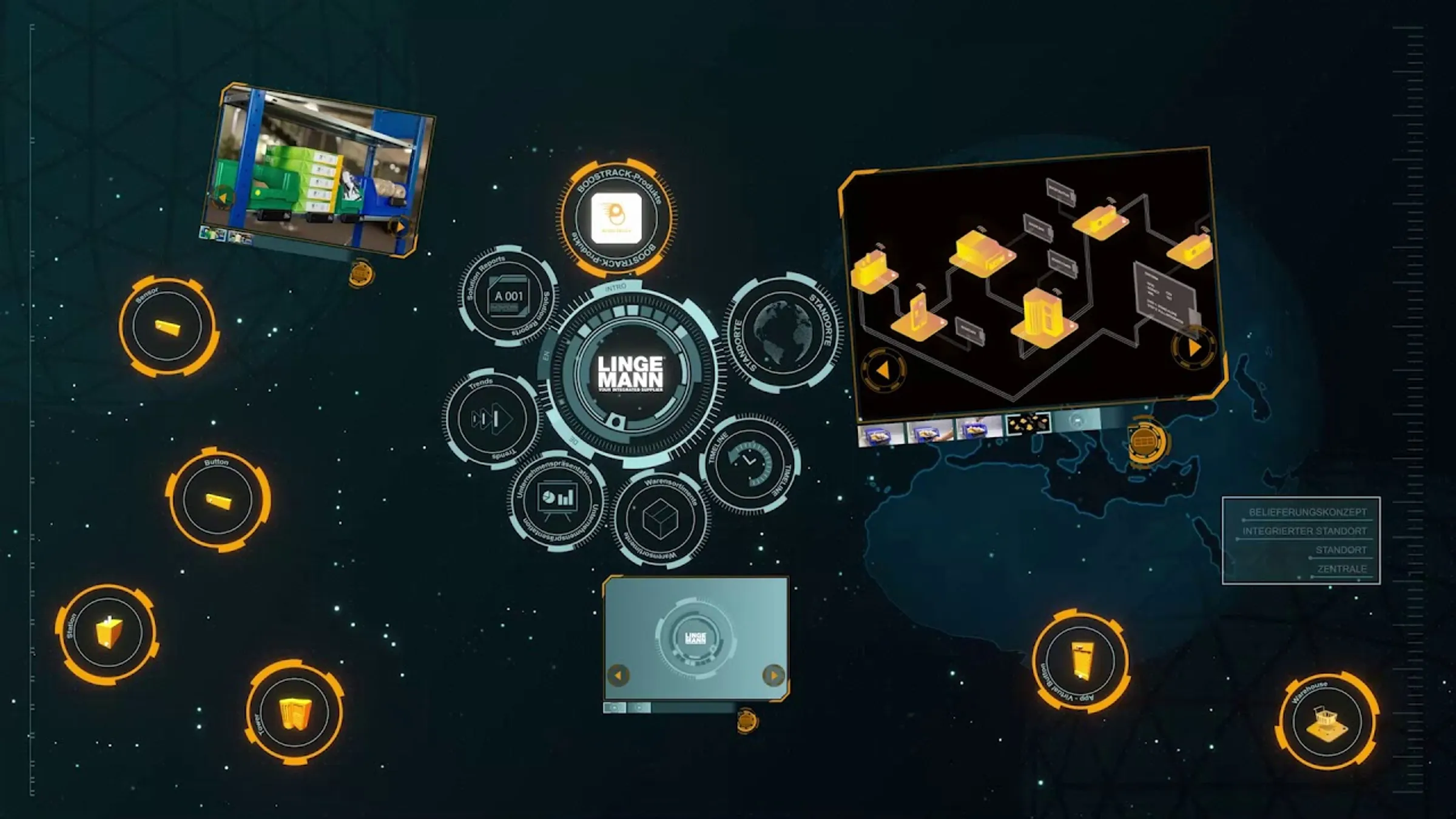
Garamantis’ multitouch software enables interactive presentations in corporate showrooms – for example, on touchscreens, multitouch tables and media walls. It brings complex products, services and corporate content to life in a playful, intuitive and multimedia-rich way. Through bespoke software development, we create tailor-made applications featuring 3D visualisations, interactive maps, timelines and product configurators. Companies thus benefit from improved presentations, greater visitor engagement and a stronger emotional connection to their brand.
Dieser Inhalt wird von einem Drittanbieter gehostet. Durch das Anzeigen des externen Inhalts akzeptieren Sie die Nutzungsbedingungen von youtube.com.
Dieser Inhalt wird von einem Drittanbieter gehostet. Durch das Anzeigen des externen Inhalts akzeptieren Sie die Nutzungsbedingungen von youtube.com.
Dieser Inhalt wird von einem Drittanbieter gehostet. Durch das Anzeigen des externen Inhalts akzeptieren Sie die Nutzungsbedingungen von youtube.com.
Dieser Inhalt wird von einem Drittanbieter gehostet. Durch das Anzeigen des externen Inhalts akzeptieren Sie die Nutzungsbedingungen von youtube.com.
Interacting together
Several people can explore content and work together at the same time. We tailor the user interfaces and interaction rules to the application, display size and hardware.
Real-time graphics for your application
Our native Unity software calculates interactions and 3D renderings directly on the designated computer. The hardware and resolution are selected and tested accordingly.
Modular and expandable
Get started straight away with the key features and work with us to further develop the software.
Tailor-made to suit individual needs
Every pixel of the user interface and the CMS is precisely tailored to your content and target audiences.
Multitouch software
Areas of application
Areas of application for our multi-touch software
Multitouch software is used wherever complex content needs to be conveyed in an accessible way, visitors need to be actively engaged, and brands need to be brought to life. The combination of intuitive touch controls and interactive media content gives rise to bespoke applications that go far beyond traditional forms of presentation. Multitouch software has proved particularly effective in showrooms, visitor centres and for digital product presentations.
Multitouch software for showrooms
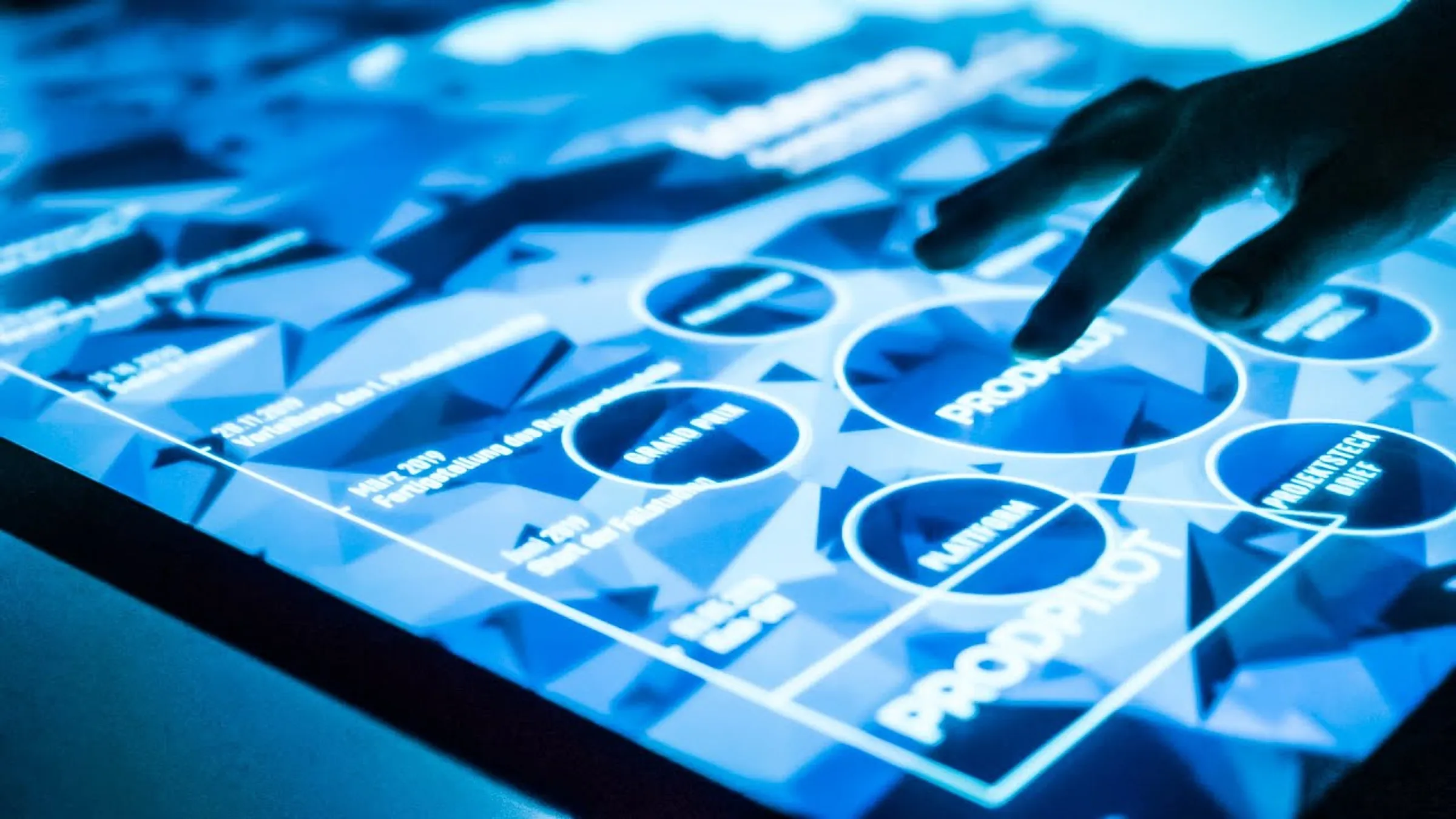
In modern corporate showrooms, multi-touch software serves as the central interface between the company, its products and visitors. Instead of static displays or linear PowerPoint presentations, guests can explore content independently and delve deeper into it at their own pace. Product portfolios, key business figures, case studies, locations and innovation processes are presented interactively and brought to life in an intuitive way.
Multitouch software offers the opportunity to visualise complex relationships in an understandable way, particularly for products and services that require explanation. 3D models, interactive maps, timelines and multimedia content create a modern visitor experience and support sales, marketing and recruitment processes in equal measure.
Multitouch software for visitor centres
Visitor centres run by companies, research organisations or public institutions face the challenge of presenting large amounts of information in a way that is accessible to different target groups. Multitouch software enables knowledge to be conveyed in a way that is both engaging and informative, allowing visitors to decide for themselves which topics they wish to explore in greater depth.
Several people can interact with the content at the same time, which encourages discussion amongst groups of visitors. This creates lasting experiences that remain in the memory for much longer than traditional information media.
Interactive product presentations
Another key area of application is digital product presentation. Multitouch software enables companies to present products, processes or services in a clear and interactive way. Visitors can rotate products, zoom in, explore individual components or visualise technical functions.
Interactive 3D visualisations offer significant added value, particularly for large-scale facilities, complex production processes or products that cannot be physically displayed. Sales staff are provided with a powerful tool for client meetings, whilst visitors can explore the content at their own pace. This is particularly useful for B2B presentations.
By combining product information, media content, real-time data and interactive features, a modern form of product communication is created that not only conveys information but also brings it to life. This is precisely where the particular strength of bespoke multitouch software lies: it combines information, interaction and experience to form a compelling, all-round solution.
Features
Tried-and-tested software modules, customised to suit individual needs
Garamantis develops multi-touch applications based on a tried-and-tested software library. Media maps, 3D models, maps, timelines and other features form the building blocks. These are combined to create an application featuring your design, your content and the interfaces required for your project.
The key is the workflow: Which topics do guests choose themselves? When does your team take over the hosting? What information should appear on a second screen? We use this to develop clear user flows and test them on the intended hardware.
Our complete showroom solution demonstrates how the software is integrated into an entire room. We also provide a suitable CMS for the subsequent management of the content intended for this purpose.
Multitouch software modules for bespoke business applications
All of Garamantis’s multi-touch software is developed individually in Unity 3D for each client. Depending on the specific use case, different modules, forms of interaction and interfaces can be combined. The result is interactive applications that convey complex content in an accessible way and actively engage visitors.
Interactive visualisations
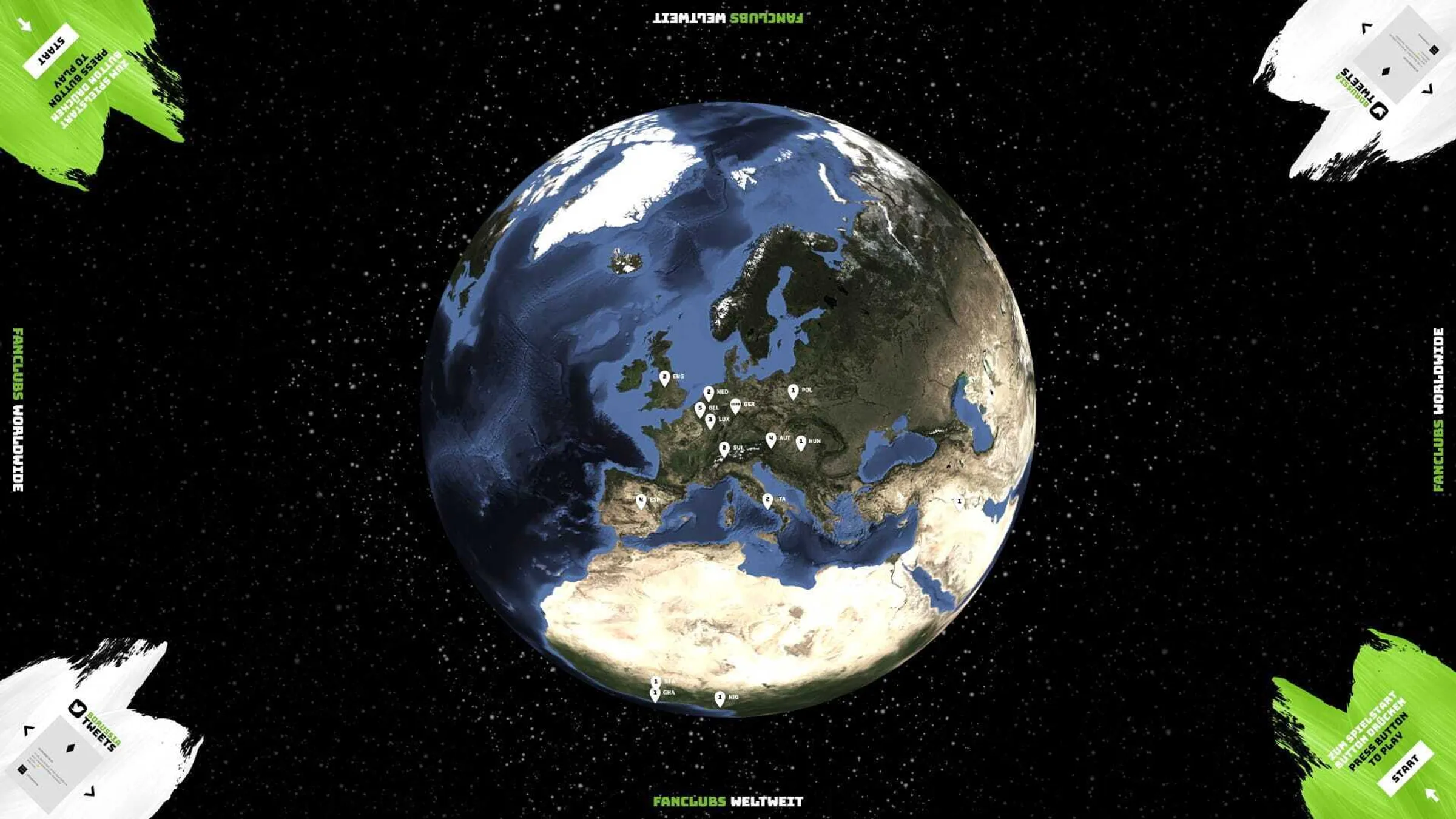
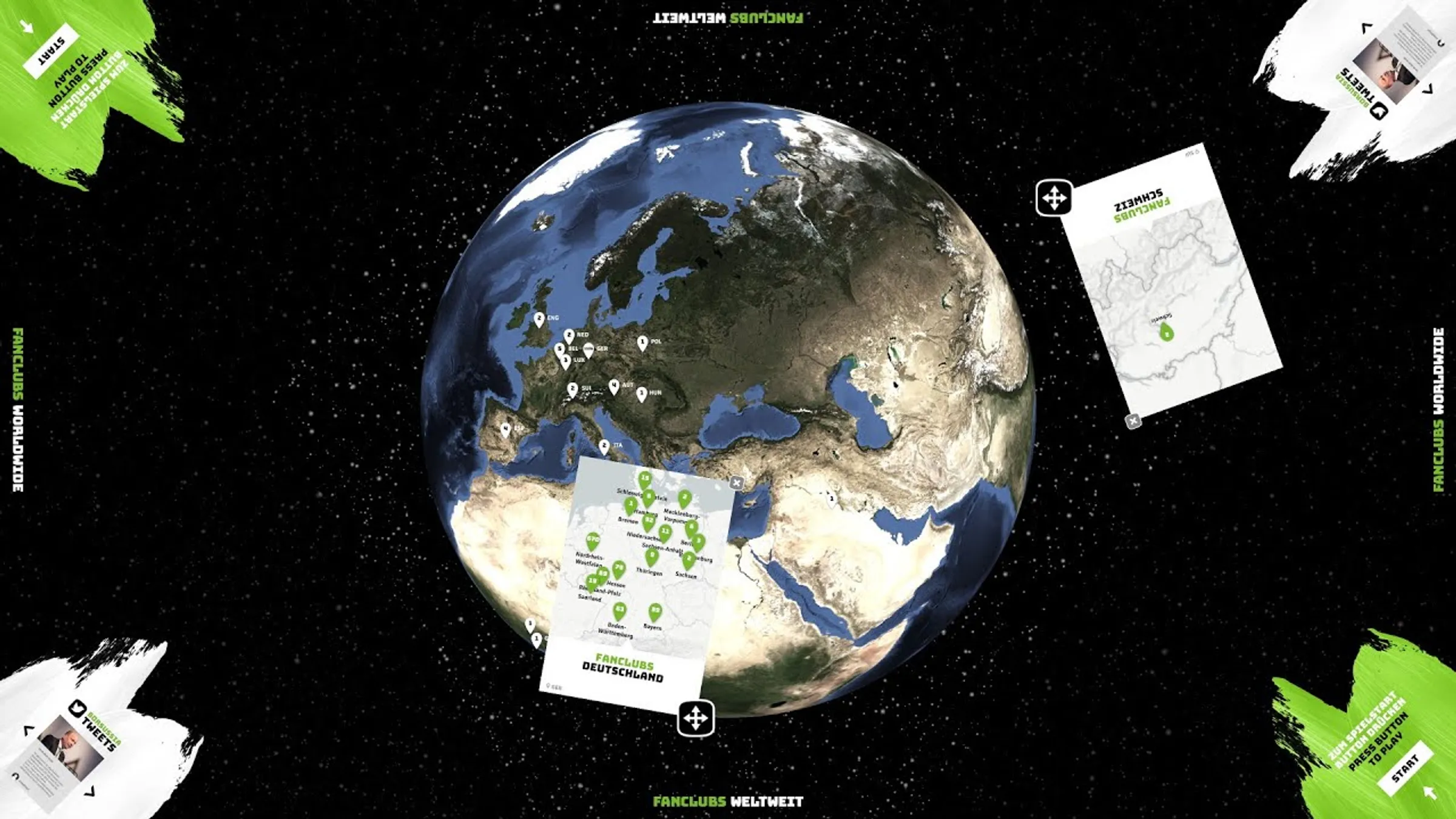
3D Globe: Explore
locations, projects and markets on an interactive 3D globe. We tailor the visual presentation, data scope and user interface to your application and the intended hardware. Locally stored content can be displayed without needing to access external services.
Product presentations using 3D models: Present
products, machines and systems using interactive 3D models. Users can rotate objects, zoom in, explore individual components or visualise technical functions – even where real-world insights are not possible.
Animated infographics and
POIs: Complex products, processes and interrelationships are presented in an accessible way through interactive infographics and 3D visualisations. Visitors can discover information independently via Points of Interest (POIs) and explore interrelationships intuitively.
Gigapixel images: Showcase ultra-high-resolution images with virtually unlimited zoom levels. Visitors can discover even the smallest details – from vast landscapes to tiny objects.
Interactive
maps: Maps, aerial photographs and geographical information can be explored intuitively via touchscreen. Thanks to our many years of experience working on projects for research institutions and space agencies, we have extensive expertise in the field of interactive mapping systems.
Storytelling and Presentation
Interactive timelines: Present your company’s history, innovation processes or future strategies using an interactive timeline. Images, videos, documents or other media content can be linked to each milestone.
Information cards and media objects: Images, videos, documents and other content are displayed as freely movable, rotatable and scalable information cards. The intuitive interface enables a natural and collaborative user experience.
Presentation modes: Control
content centrally via a tablet or smartphone, play back pre-prepared presentations or move content between different screens. This allows you to combine free interaction with professional presentation.
PDF and PowerPoint integration: Existing presentations and documents can be integrated into the multi-touch application. Content is optimised for touch control and can be intuitively zoomed, moved and viewed collaboratively.
Multi-user applications and gamification
Multiplayer games and interactive
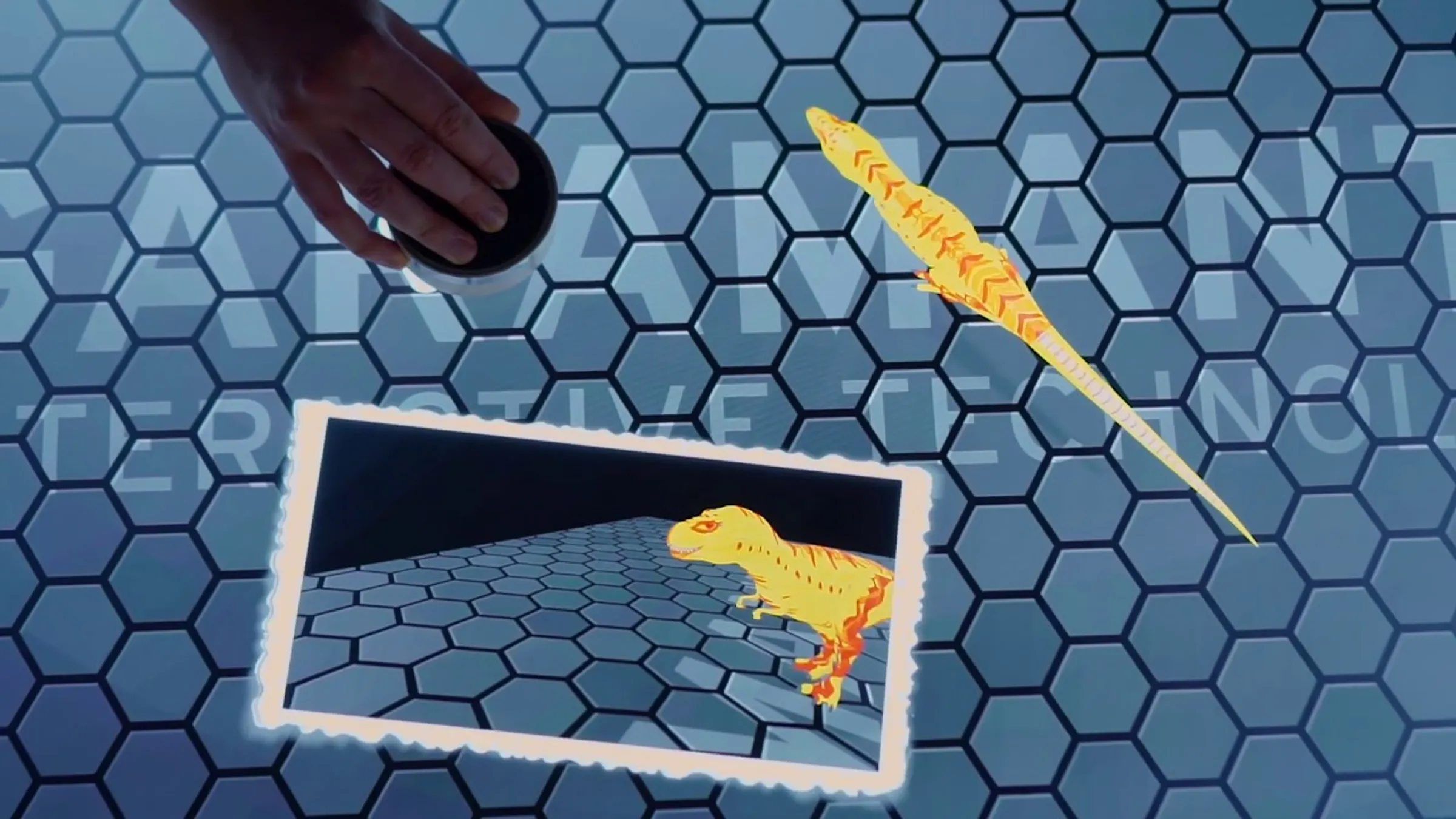
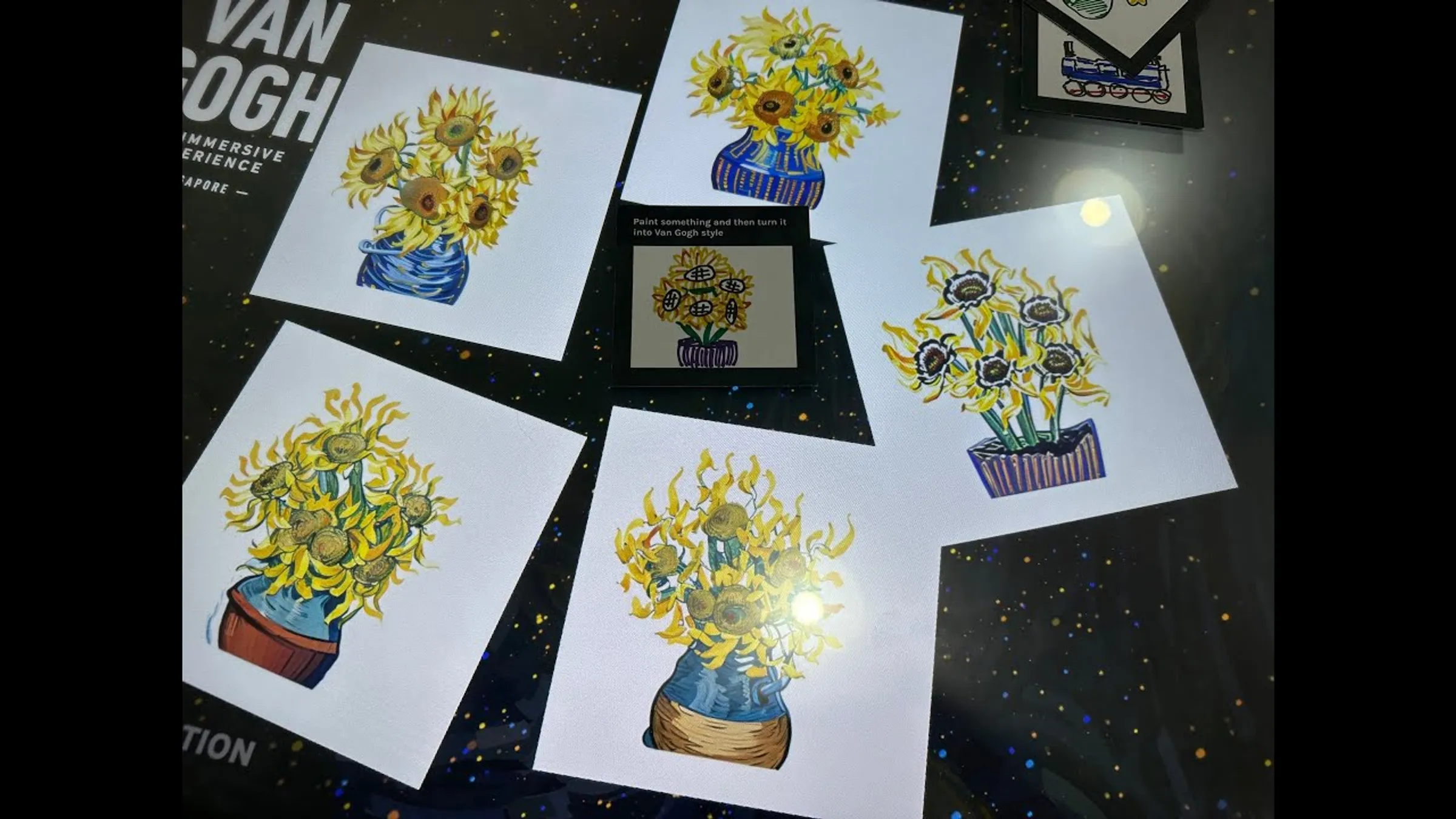
applications: Collaborative games allow users to experience the possibilities of genuine multi-user software first-hand. Several people can interact with the application at the same time and explore content together.
Multitouch walls and large displays
: Our software supports smooth display on individual touchscreens as well as on large-format media walls and video walls at native resolution. This creates impressive experiential spaces for showrooms and visitor centres.
Sensors and smart interaction
Products and markers as control elements
Pre-configured products or markers can open content and change settings. Depending on the system, capacitive object recognition enables the detection of an object’s identifier, position and angle of rotation on the touch surface. RFID and optical recognition can handle other identification tasks. We select the appropriate method based on the intended objects and interactions.
Scanning leaflets and cards
An integrated camera or scanner unit can match suitable print media to known templates or capture them as images. Depending on the configuration, this takes place at a scanner bay or another defined scanning point. We test the capture conditions and templates using your actual materials.
Respond to an approach
Occupancy sensors can detect guests within the designated area and activate the application. Greetings and content can be displayed according to the detected position. The underlying laser-based environmental sensing technology used with multi-touch screens is described in the Garamantis patent specification DE102018124452B4. The system detects positions; this does not result in any automatic identification of a person’s identity.
Enter contact details
Contacts can be captured via input forms or an agreed-upon scanning solution. Image capture, text recognition and transfer to a CRM are distinct functions. We define data fields, validation, approval and interfaces to suit your desired workflow.
Data integration and interfaces
Interfaces and APIs
: The multi-touch software can be integrated with CRM, ERP, CMS or third-party systems. Content, product data and real-time information can be automatically imported, updated and processed.
Browser integration:
Where required, web applications, dashboards or existing business systems can be integrated directly into the multitouch software. In doing so, we optimise usability, display and performance specifically for large touchscreens and multitouch systems.
Demonstrators and specialised applications: Existing software solutions, research systems or technical demonstrators can be seamlessly integrated into interactive presentation environments. This enables complex technologies and research findings to be communicated clearly.
Real-time graphics, live data and offline operation
Real-time graphics means that the application renders images and animations whilst it is being used. You can rotate a product, change a parameter or adjust a scene instantly. This does not automatically require an internet connection.
Live data, on the other hand, comes from a connected source – such as a dashboard or an external calculation system. Whether an internet connection is required depends on this source and the agreed architecture. Locally stored media can be used even without a connection; external services, however, remain dependent on their availability.
Analysis and performance measurement
User behaviour and
statistics: Analyse which content is accessed most frequently and how visitors interact with your application. Customised KPIs provide valuable insights for showrooms, visitor centres and trade fair appearances.
Advanced technologies
Real-time physics and simulations
: Thanks to modern 3D technologies, physical processes, animations and interactive simulations can be displayed in real time. This enables particularly vivid and easy-to-understand presentations of complex topics.
Virtual Reality (VR)
Multitouch applications can be combined directly with virtual reality experiences. Visitors switch seamlessly between touch interaction and an immersive experience, whilst content is controlled and synchronised centrally.
References
References / Case studies from projects
Rolls-Royce
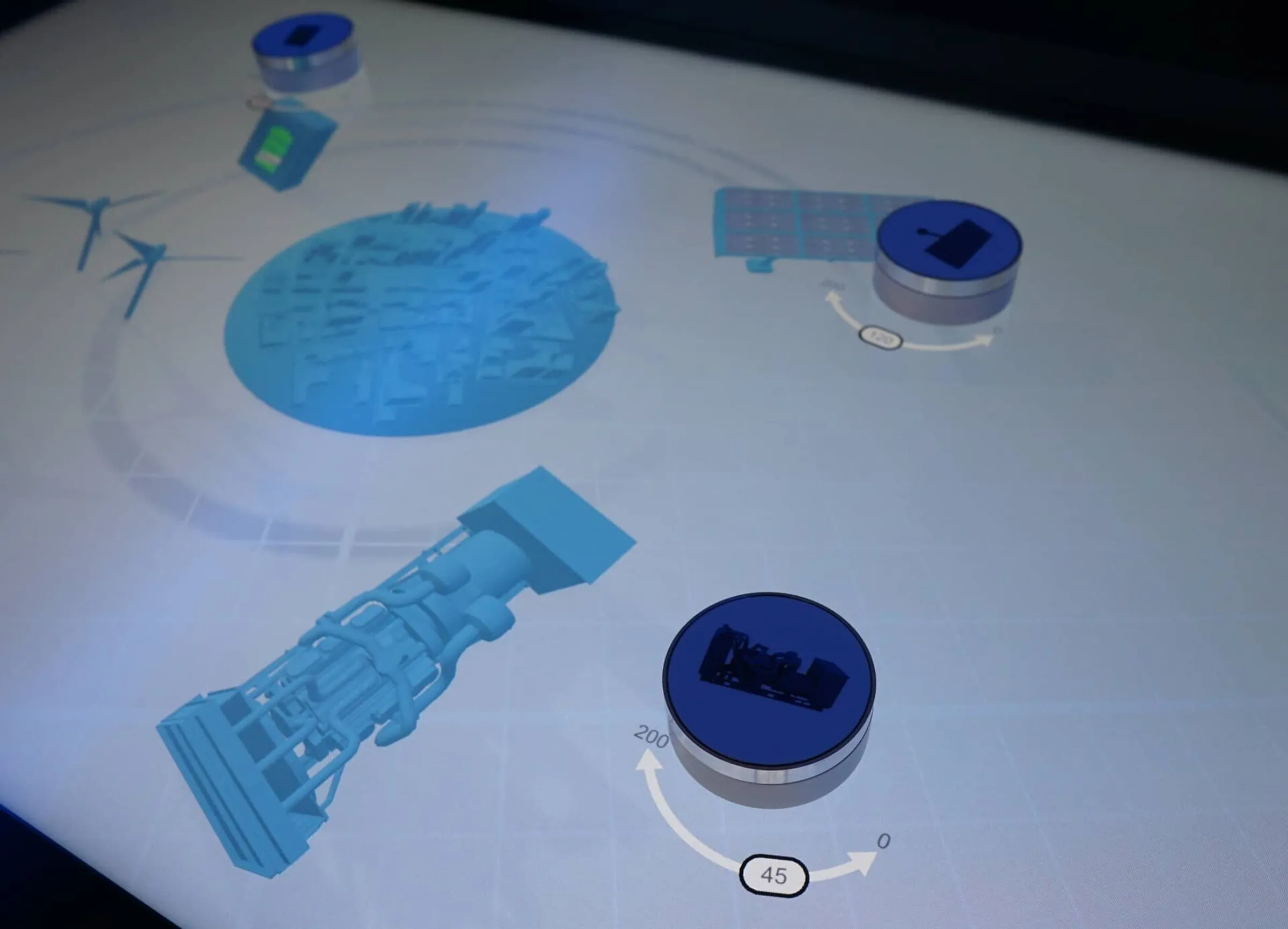
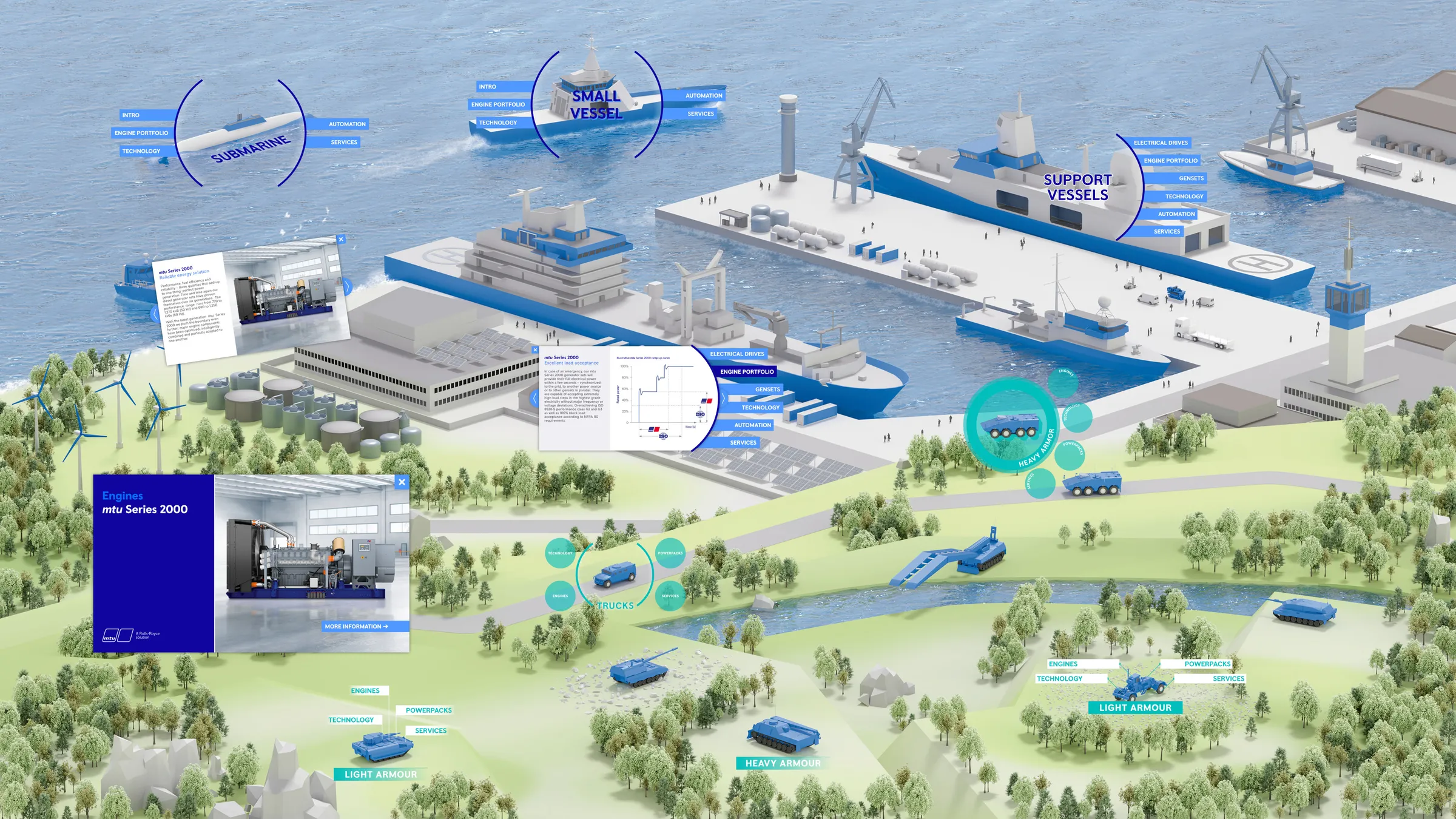
Garamantis develops bespoke multi-touch tables with capacitive object recognition and real-time 3D scenarios for Rolls-Royce Power Systems. Visitors can explore complex propulsion and energy solutions in an interactive way within a 3D diorama, whilst sales staff can transfer content from the table to the screen and present it clearly to even larger groups.
Deutsche Telekom
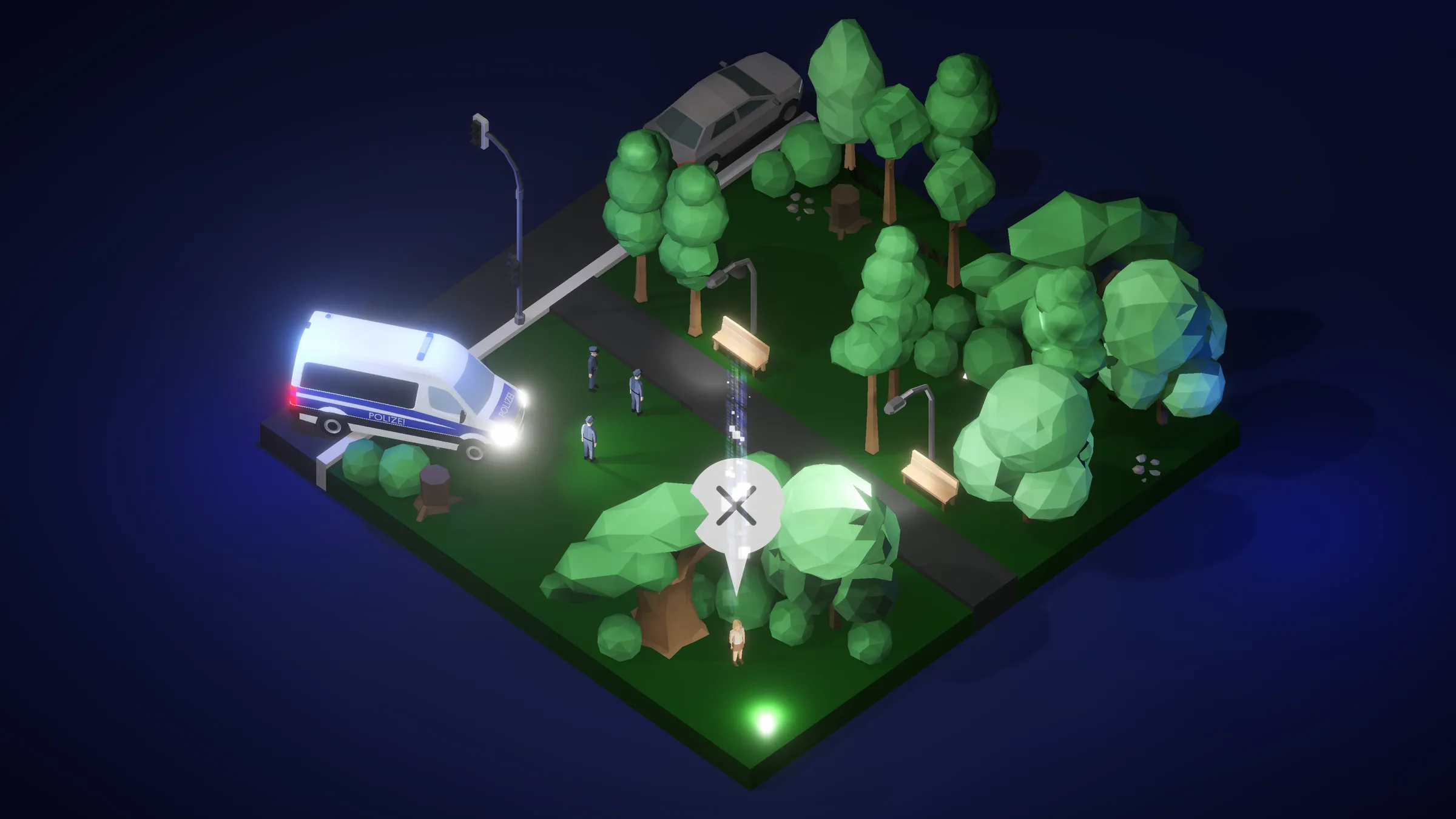
In the Telekom Experience Showroom, Garamantis’s multi-touch software, screen wall, lighting, sound, sensor technology and central control system combine to create an immersive presentation environment. Complex topics such as 5G, network infrastructure and disaster recovery are presented in an accessible way through interactive 3D scenarios and can be individually tailored and controlled for specific groups of visitors.
FFT Production Systems
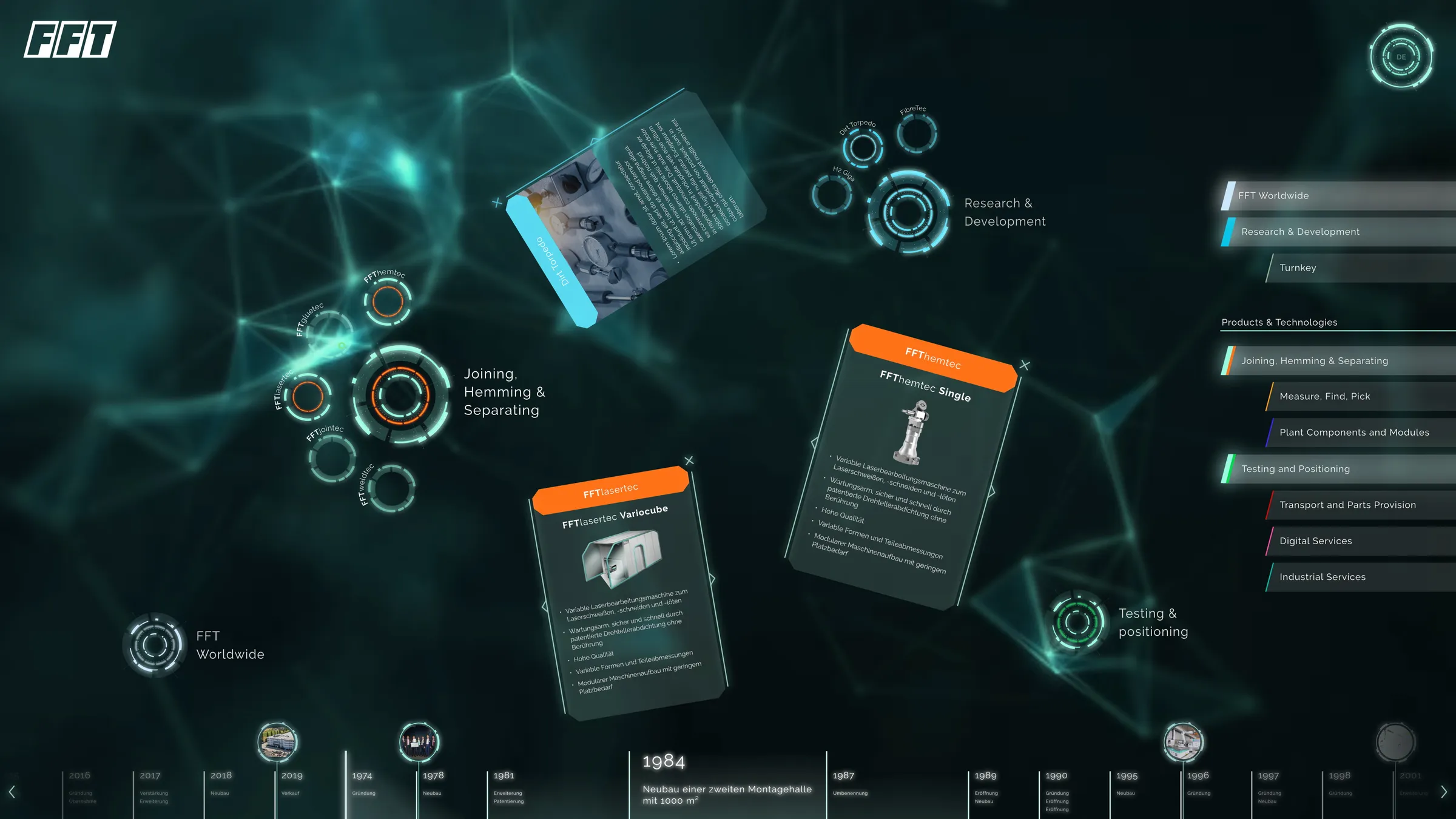
An interactive showroom was created for FFT at the company’s headquarters in Fulda, bringing complex production systems, digital services and automation solutions to life. A multi-touch scanner table, a high-resolution screen wall, dynamic lighting control, sound and a CMS combine to create a presentation environment in which all of the company’s products and services are presented entirely digitally.
Wack Group
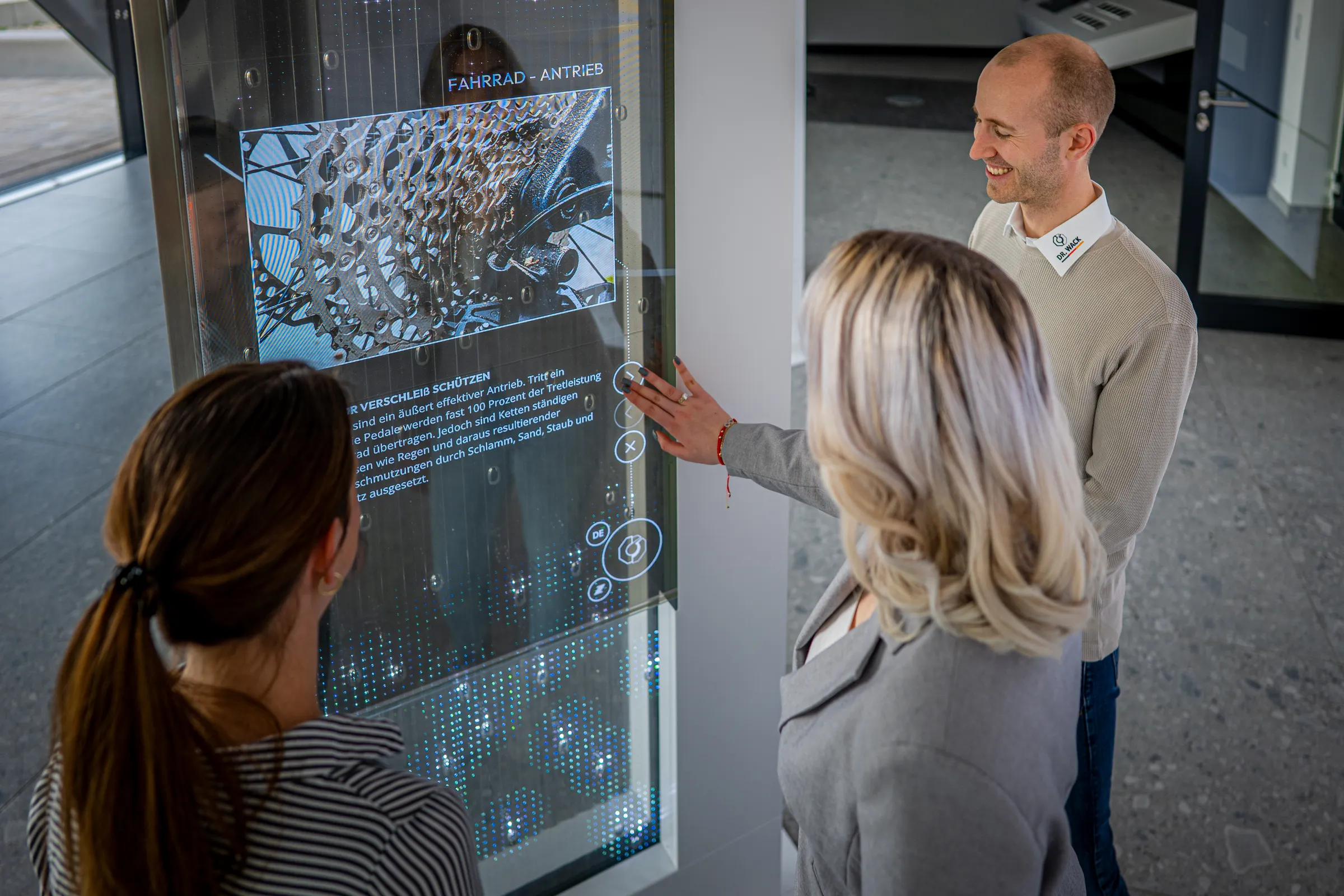
Garamantis created an interactive corporate showroom for the Wack Group, which brings the company’s history, product range and precision cleaning to life across several digital stations. At its heart is a newly developed 3-layer display that combines transparent OLED touchscreens, LED film and physical effects, thereby blending analogue materiality with interactive software.
Customised multi-touch software for your project
Every business has different content, different target audiences and different requirements. That is why we do not develop off-the-shelf software, but rather bespoke multi-touch applications that are tailored precisely to your project.
Together, we’ll develop a solution that brings your content to life in a way that’s easy to understand, interactive and sustainable. We combine personalised storytelling, modern user guidance and a powerful content management system to create an application that can be used over the long term and flexibly expanded.
How your multi-touch software is created
1. No-obligation initial consultation:
You contact us by telephone, email or via the contact form and tell us about your project.
2. Consultation and Concept
Development: Together, we analyse objectives, target audiences and use cases. On this basis, we develop initial ideas and recommend suitable interaction and presentation concepts.
3. Quotation and project planning
: You will receive a clear quotation and a project plan setting out the timeframe, scope of work and milestones.
4. Design and Animation
: Based on your company’s corporate identity, our designers create appealing user interfaces (UI) and real-time 3D animations for the top-level content sections. The ideal way to introduce visitors to your company’s content.
5. Bespoke software development
: Our developers design the application step by step and keep you up to date at all times through mock-ups, prototypes and regular progress updates.
6. Content and CMS:
We integrate your content directly into the flexible content management system and tailor it to your internal processes and data structures.
7. Installation and commissioning.
To complete the project, we will install the software on-site, carry out tests and provide training for your staff.
What is multitouch software?
Multitouch software is a specialised form of touchscreen software that recognises and processes multiple simultaneous touches on a display. This enables individual users, or even several people at the same time, to interact with digital content. Unlike traditional applications, which are usually designed for use by a single person, multitouch gestures (e.g. zooming, swiping, etc.) enable collaborative and particularly intuitive experiences.
Multitouch software is used on interactive touchscreens, multitouch tables, touch kiosks and media walls. Users can move, zoom in on, rotate or explore content together using finger gestures. This creates a natural form of interaction that works without a keyboard, mouse or any special prior knowledge.
Companies use multi-touch software primarily in showrooms, visitor centres and for interactive product presentations. This makes it much easier to convey complex information. Rather than watching passively, visitors are actively engaged and can explore the content at their own pace.
Modern multi-touch software goes far beyond simple touch-based operation. For example, it integrates interactive 3D models, maps, timelines, data visualisations, product configurators and multimedia content. Furthermore, interfaces to CRM, ERP or content management systems can be integrated to manage content centrally and update it automatically.
Garamantis’s multi-touch software is developed individually for each project. This results in bespoke applications that are precisely tailored to the requirements of the company, the target audience and the physical environment. The outcome is interactive experiences that capture attention, impart knowledge and bring products, technologies and brands to life in a lasting way.
Would you like to try out the application for yourself? At our Berlin showroom, we’ll demonstrate the relevant workflows and discuss your content, hardware and interfaces. We’ll agree on which features you’d like to see before the appointment.
Arrange a software demonstration at the Berlin showroom
Frequently Asked Questions about Multitouch Software
What is multitouch software?
Multitouch software is an interactive application that processes multiple simultaneous touches on a touchscreen. This enables one or more users to interact with digital content, move objects, zoom in on maps or explore information together at the same time.
What is the difference between multi-touch software and touchscreen software?
Touchscreen software often supports operation by a single user. Multitouch software, on the other hand, enables several people to interact simultaneously and offers specialised functions for collaborative applications on touch tables, video walls or interactive displays.
Can several people use the software at the same time?
Yes. Professional multi-touch software recognises numerous simultaneous touch points and enables multi-user scenarios in which several people can explore and edit content at the same time. Specific collaborative formats are also possible.
On which systems can multi-touch software be used?
Modern multi-touch software can be used on touchscreens, multi-touch tables, touch kiosks, as well as on interactive video walls and LED walls.
Which sectors is multi-touch software suitable for?
Multitouch software is used in corporate showrooms, visitor centres, trade fairs and showrooms, as well as in industry and the public sector.
Can the multi-touch software be custom-developed?
Yes. Bespoke multitouch software is tailored specifically to a company’s objectives, content and target audiences. This results in unique user experiences rather than standardised applications.
What sort of content can be displayed in multitouch software?
Depending on the specific application, videos, images, 3D models, interactive maps, timelines, data visualisations, product catalogues, documents or real-time data can be integrated.
Can the software be integrated with a CMS or existing business systems?
Yes. Modern multi-touch software can be integrated with content management systems, databases, APIs, ERP systems or other business applications to manage content centrally and keep it up to date.
How long does it take to develop bespoke multi-touch software?
The time required depends on the scope of the project in question. Simple applications can be implemented within a few weeks, whilst complex immersive experiences or showroom solutions often require several months of development time. As a rule, the development process is divided into two phases: concept and implementation.
What benefits does multi-touch software offer businesses?
Multitouch software enhances interaction with visitors, improves the communication of complex content, increases the length of time visitors spend at the venue and creates a modern brand experience. Companies can present their products, services and technologies in a way that is significantly clearer and more engaging.

For this project, Garamantis has been the perfect partner. Thanks to the close collaboration as well as Garamantis staff’s reliability and diligence, the

Marc Wolfgang Bedau, Oberleutnant und SysIng EF, Kommando Luftwaffe

Thanks to the expertise of Garamantis, an application was created that is simple and intuitive to use. The multi-touch software gives us the opportunity
Mathias Rusterholz, Head of Online Communications at BASPO
We are delighted to have found in Garamantis an innovative and reliable partner for the development of interactive digital applications. Voting processes
Larissa Mikulasch, Strategic Controlling, City of Mannheim

The ESA Φ Experience has been a top-level project we had the chance to put into collaborative action. Particularly important in this context was a mutual
Harald Moser, Project Manager at Ars Electronica Solutions
Building a bridge between tradition and new media while at the same time paying humble reverence to the brand Sacher was a lovely project, which we had
Harald Moser, Project Manager at Ars Electronica Solutions

With a cross-national and challenging project like the EXPO Dubai, having a reliable and dedicated partner like Garamantis at our side has been
Michaela Fragner, Project Manager, Ars Electronica Solutions
Projects
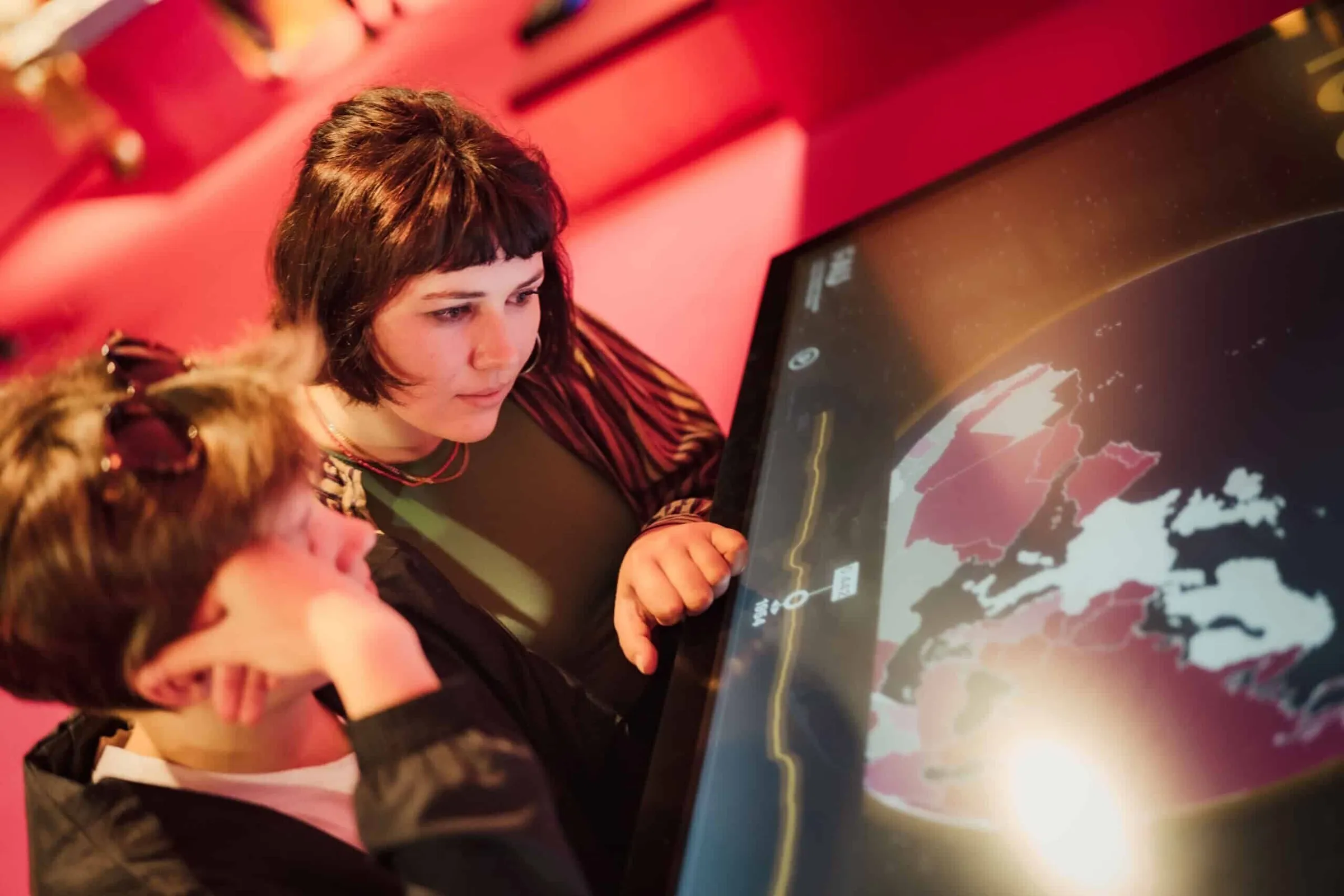
Academic Freedom Index
Time travel on the multi-touch 3D globe
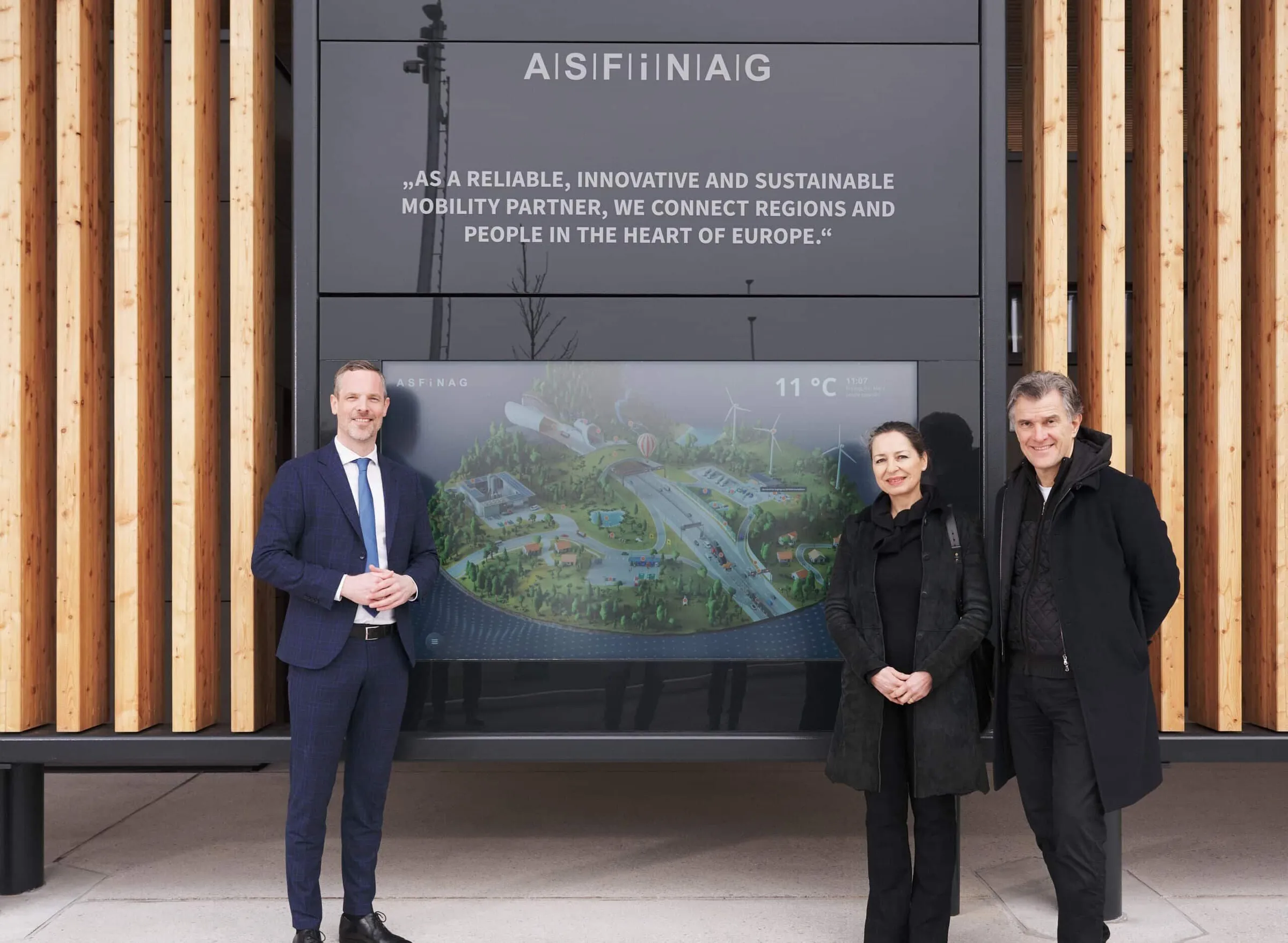
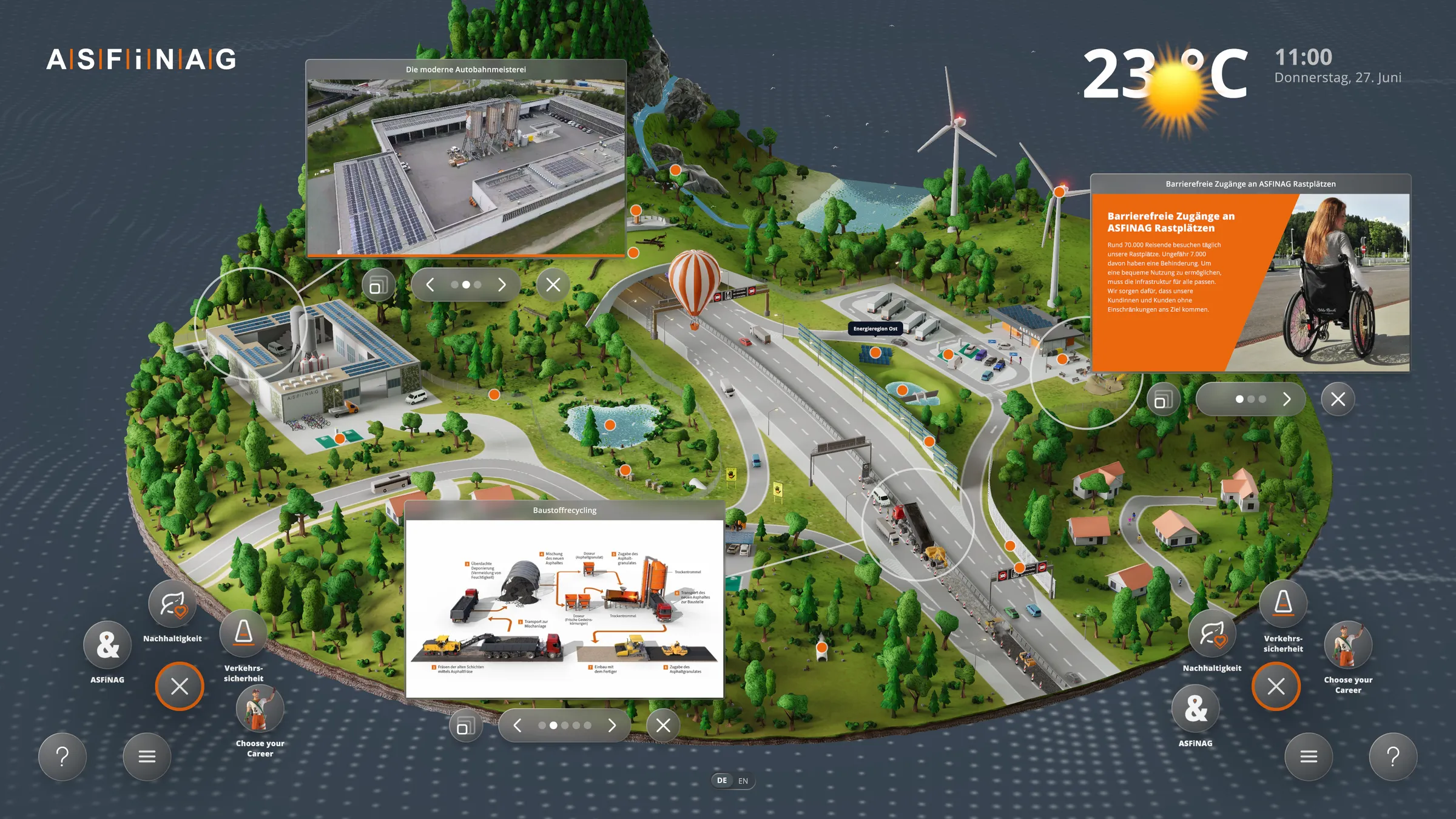
Motorway rest area of the future
Real-time 3D model for Austria’s motorways
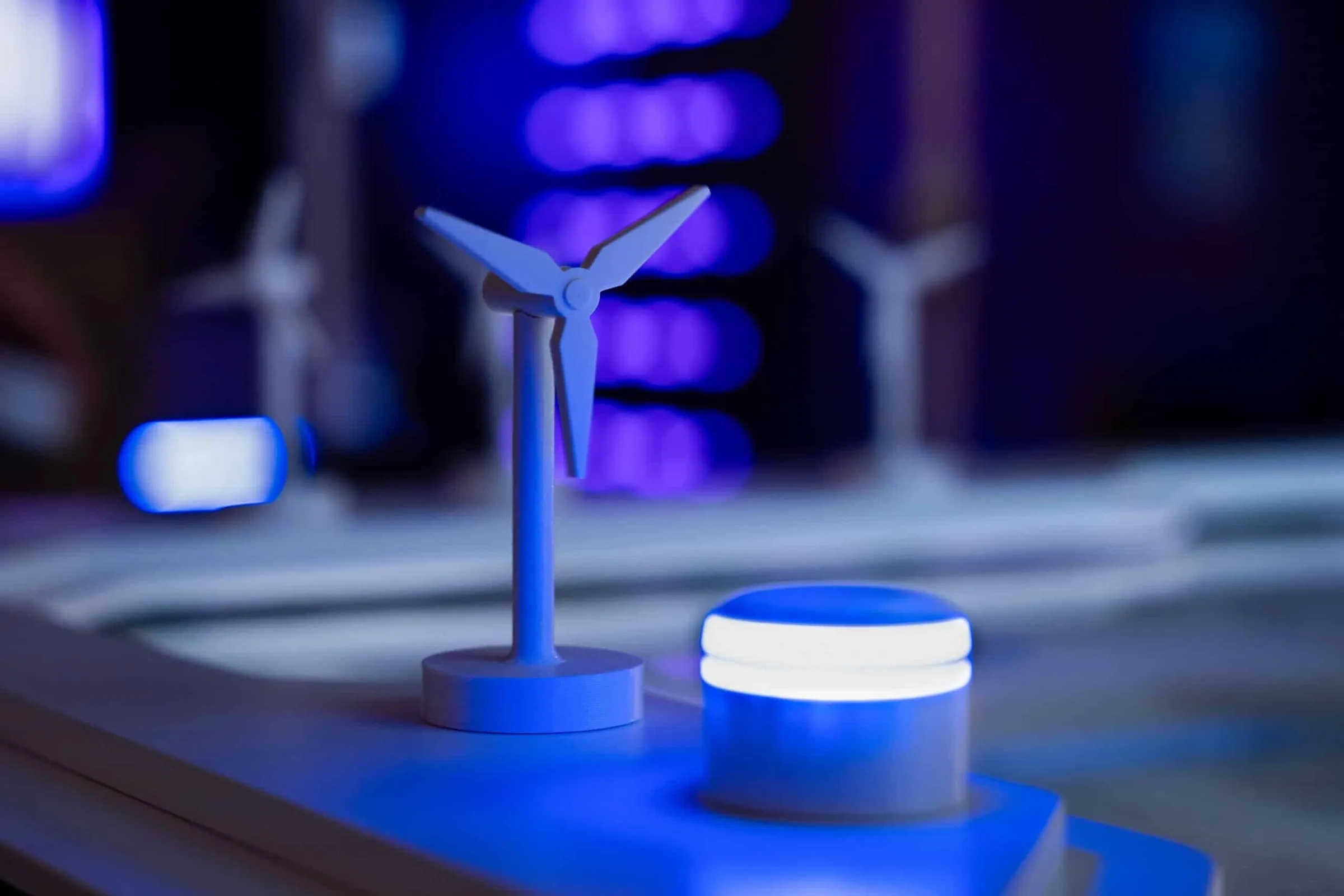
Rolls-Royce Power Systems
Interactive trade show exhibits for worldwide use
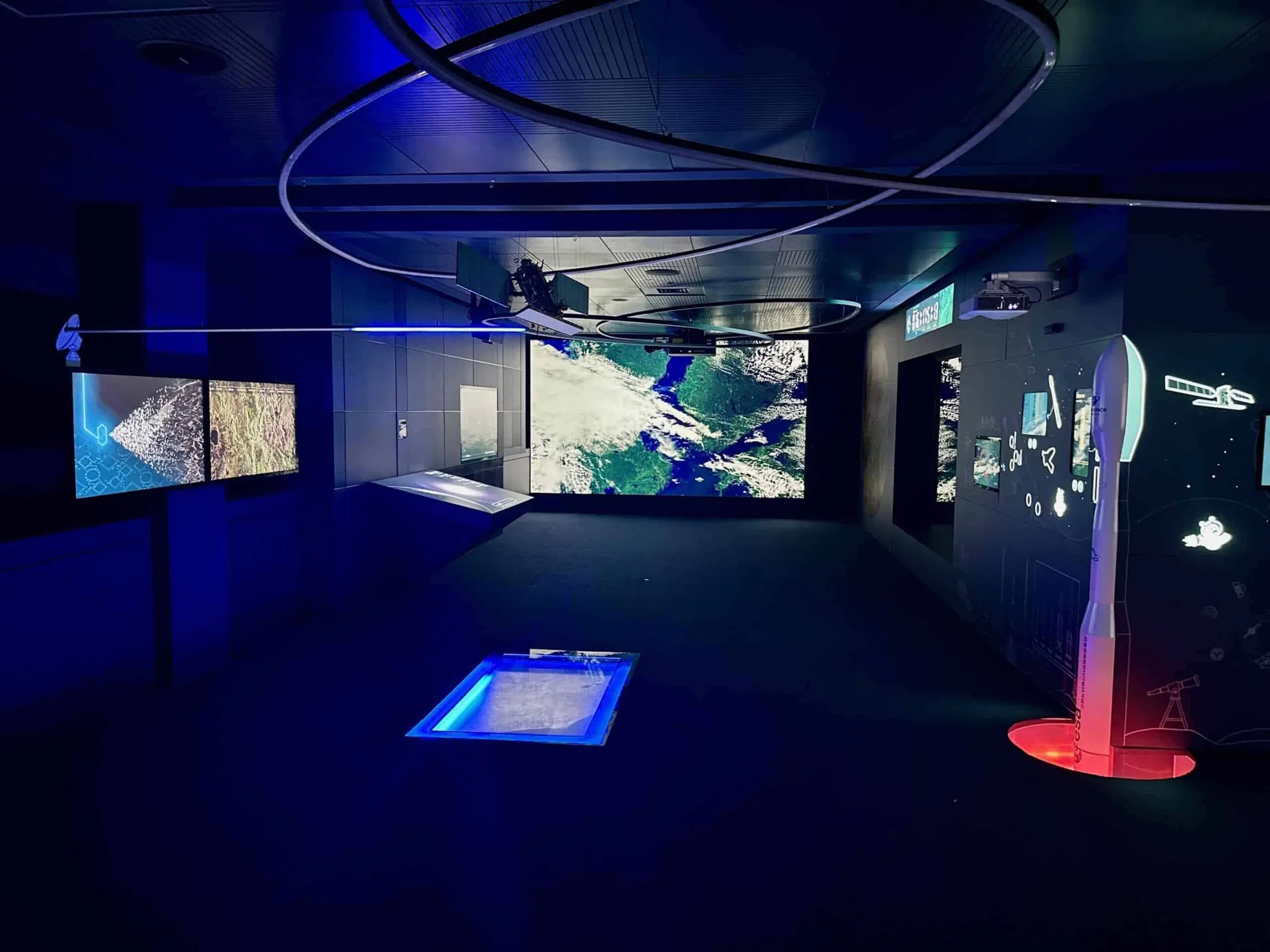
ESA ESRIN Visitor Centre
Expansion of the innovative world of experience for earth observation
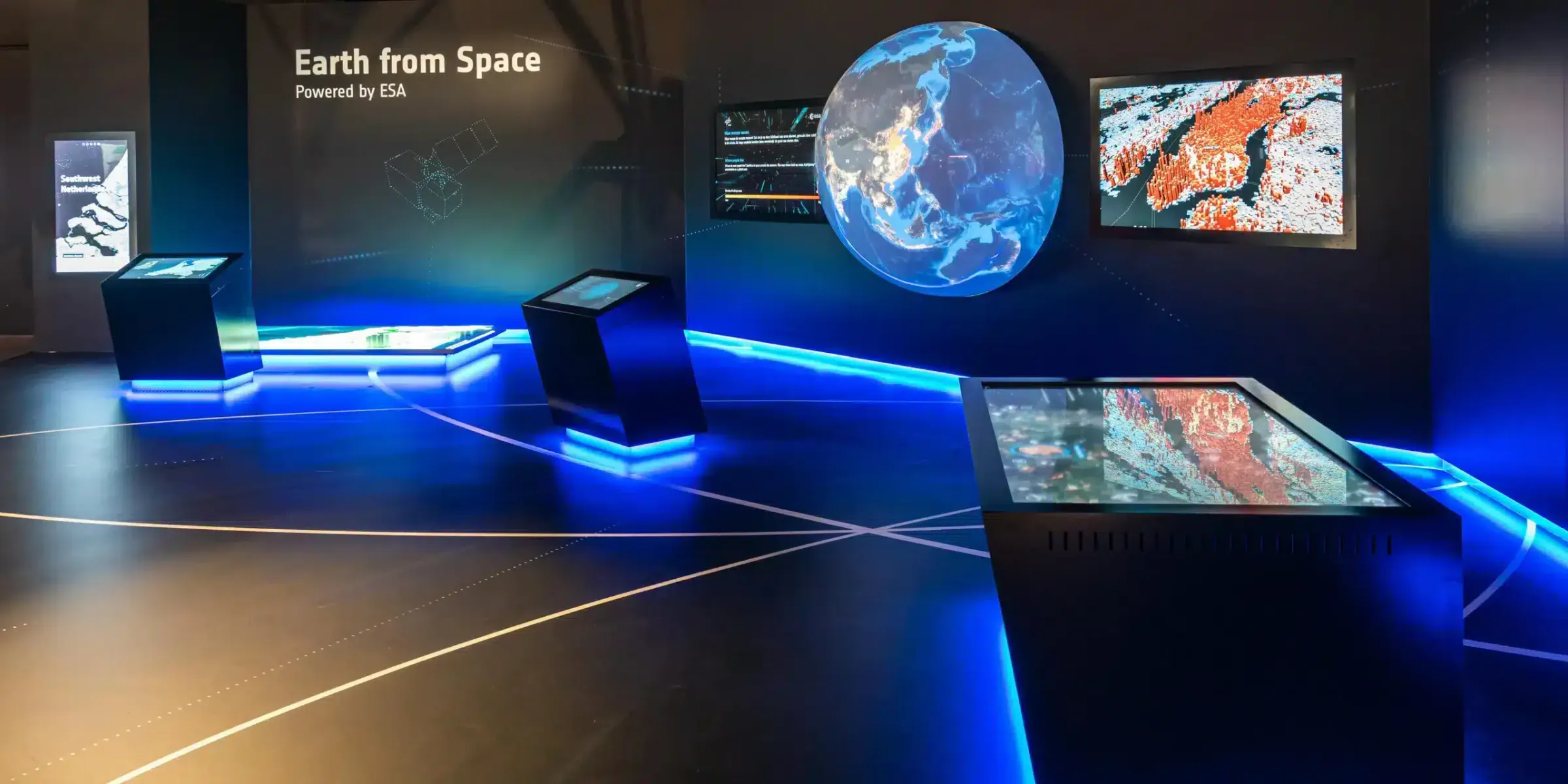
Space Expo
ESA’s interactive space museum in the Netherlands
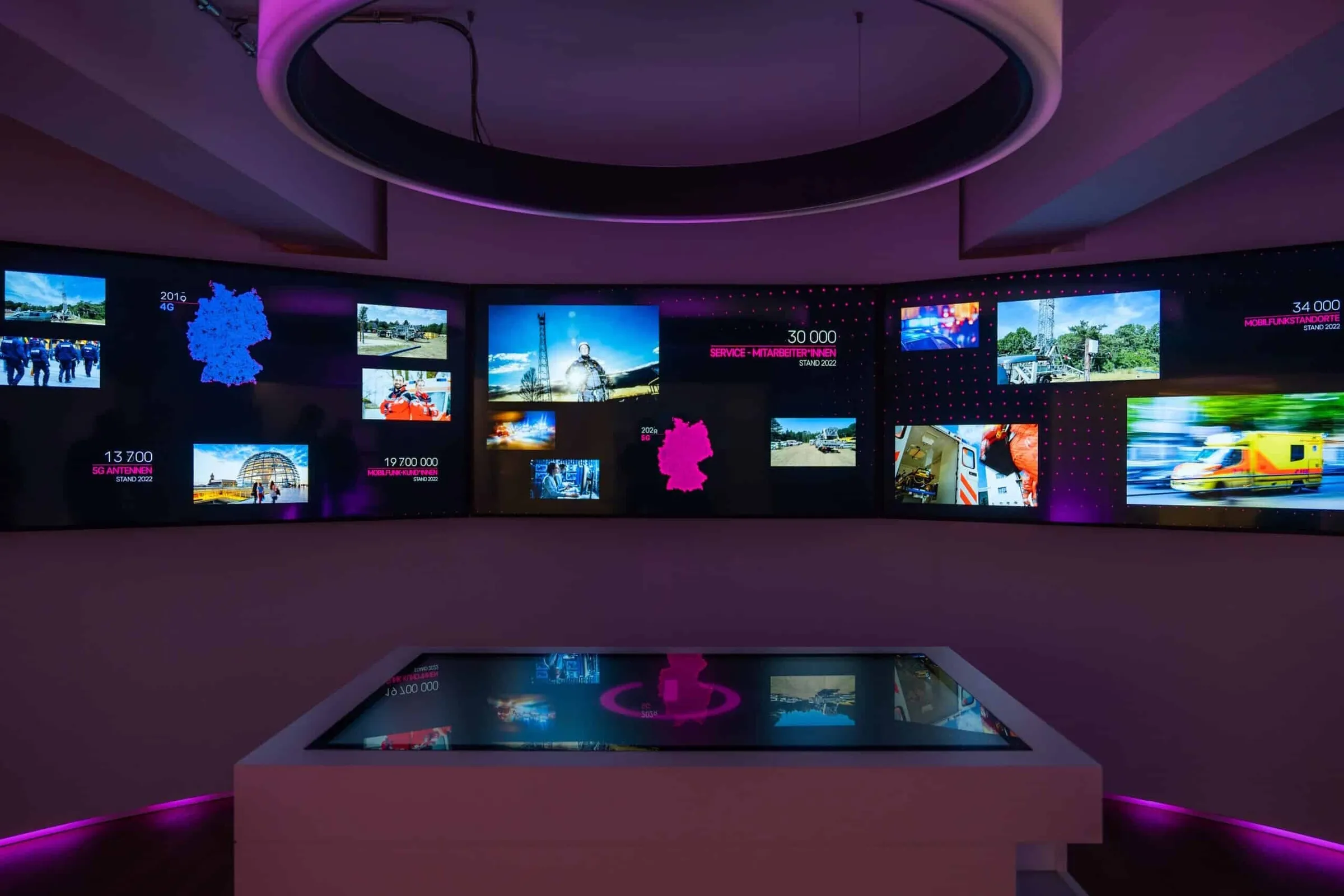
Telekom Showroom Experience
Immersive exhibition across two floors of the “Telekom Innovation Laboratories” in Berlin